US renews $100 million humanitarian aid offer to Cuba, accuses Havana of blocking life‑saving assistance
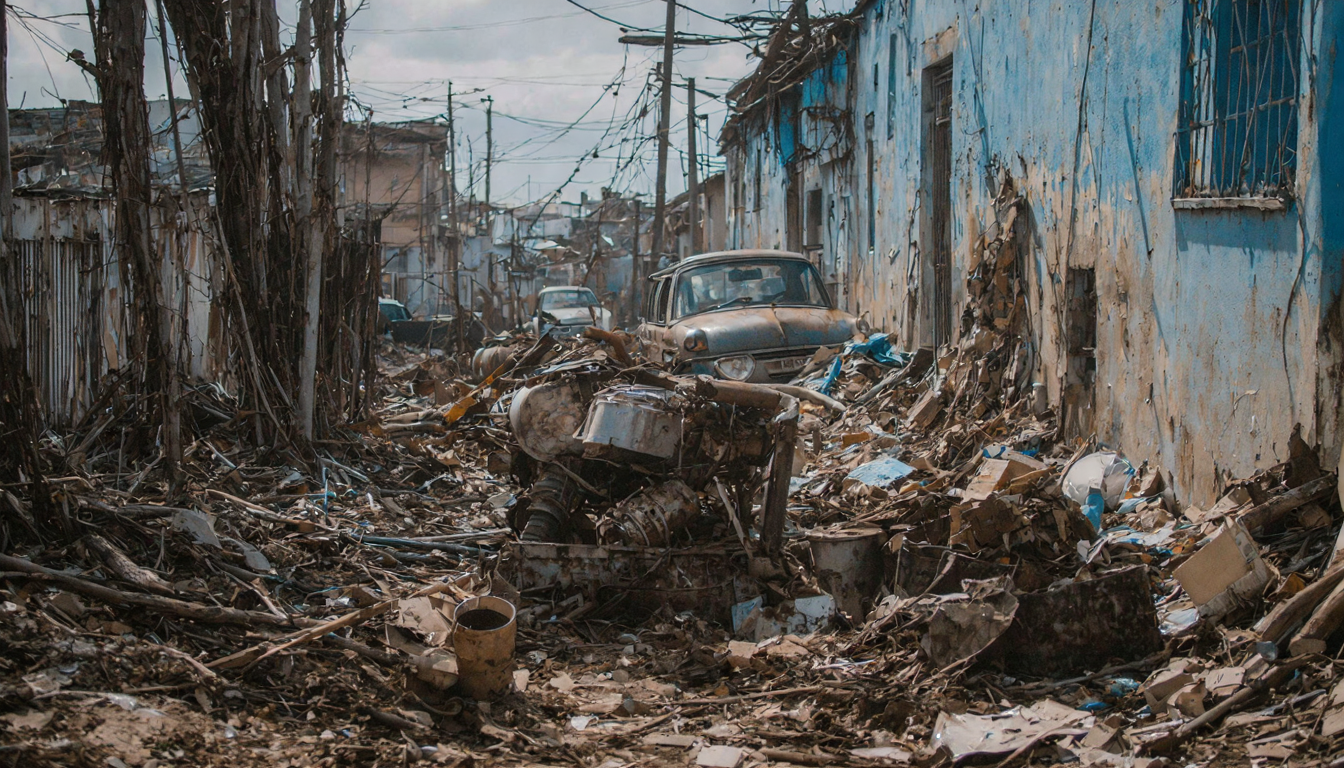
The United States has renewed a $100 million humanitarian aid offer to Cuba, saying the assistance would be provided if Havana cooperates, as the island grapples with a worsening economic and energy crisis marked by prolonged blackouts and fuel shortages. The State Department says the package would include direct humanitarian aid and funding for fast, free internet access, and would be tied to what Washington describes as meaningful reforms in the communist‑run country. The US accuses the Cuban regime of blocking this assistance, calling it critical and life‑saving, and says the decision to accept or reject the aid rests with Havana. The renewed offer follows claims by US Secretary of State Marco Rubio that Cuba had already rejected a prior $100 million proposal, which Cuban officials deny, with Foreign Minister Bruno Rodríguez dismissing the claim as a lie and questioning the offer’s true intent. Cuba is currently experiencing one of its worst energy crises in years, with around 65 percent of its territory hit by simultaneous blackouts due to electricity generation shortfalls, while President Miguel Díaz‑Canel blames US sanctions for the deterioration.
Key Events
- United States renews $100 million humanitarian aid offer to Cuba, including direct assistance and funding for fast, free internet access.
- US State Department alleges that the Cuban government is refusing to allow this aid, which it calls critical and life‑saving.
- US ties the aid to what it describes as meaningful reforms in Cuba.
- Secretary of State Marco Rubio claims Cuba previously rejected a $100 million aid proposal; Cuban officials deny receiving any such offer.
- Cuban Foreign Minister Bruno Rodríguez dismisses the US proposal as a lie and questions its intent.
- Cuba faces one of its worst energy crises in years, with about 65 percent of its territory experiencing simultaneous blackouts.
- Cuban President Miguel Díaz‑Canel acknowledges the tense energy situation and blames US sanctions for the deterioration.